When Do Silkworms Hatch? A Practical Guide to Egg Incubation
Understanding the Silkworm Life Cycle
Raising Bombyx mori at home is a rewarding experience, but it starts with one critical question: when do silkworms hatch? The answer depends on several factors, especially temperature and humidity during egg incubation. Get those right, and you will see your first tiny larvae emerge like clockwork. Get them wrong, and you might wait weeks or lose the entire brood.
Silkworm eggs are surprisingly hardy. They can be stored in a refrigerator for months if you want to delay hatching. But once you decide to start, the clock starts ticking. Most hobbyists want to know exactly when do silkworms hatch so they can prepare fresh mulberry leaves in advance. Fresh leaves are essential because newly hatched larvae, called first instar caterpillars, need to start eating within hours of emerging.
Egg Incubation Basics
Bombyx mori eggs are small, about the size of a pinhead, and range in color from pale yellow to dark gray depending on their age and fertility. When you receive them, they may already be several days old. The key to successful silkworm rearing begins with understanding their incubation needs.
Temperature and Humidity
The hatching temperature for silkworm eggs should be consistently between 24 and 28 degrees Celsius (75 to 82 degrees Fahrenheit). Below 20 degrees, development slows drastically; above 30 degrees, you risk killing the embryo. A simple incubator or a warm room works well. I use a small styrofoam box with a low-wattage heat mat and a thermostat, but many people succeed by placing the eggs near a radiator or on top of a fridge. Just check the temperature daily.
Hatching humidity also matters. Aim for 70 to 85 percent relative humidity. If the air is too dry, the eggs will dehydrate and fail to hatch. A shallow tray of water placed near the eggs helps, but avoid wetting the eggs directly. Mold can be a problem if things get too damp, so ventilation is important.
Light and Day Length
Silkworm eggs respond to light. In nature, they would experience spring day lengths, which triggers hatching. In captivity, you can simulate this by exposing the eggs to 14 to 16 hours of light per day. A simple desk lamp on a timer works fine. Darkness will delay hatching, but light encourages the tiny larvae to chew their way out of the chorion, the egg shell.
The Hatching Process
Under ideal conditions, eggs start to hatch about 10 to 14 days after you begin incubation. The exact timing depends on the age of the eggs when you started. Fresh eggs, laid within a week, might take the full 14 days. Older eggs that have been stored cold may hatch sooner once warmed, because some development already happened during storage.
When do silkworms hatch? Typically in the early morning hours. This is not a coincidence. The larvae are programmed to emerge when the air is cool and humid, giving them time to find food before the heat of the day. If you check your eggs at dawn, you will often see the first ones crawling out. By noon, most of that day's hatchlings will be active.
The larva uses a small tooth-like structure called an egg burster to break the shell. It then wriggles free, looking like a tiny black ant. These first instar larvae are only about 3 to 4 millimeters long. They are extremely delicate and need fresh mulberry leaves immediately. Do not let them wander too far or they will dehydrate.
Preparing for the Hatch
About three days before the expected hatch date, start bringing in fresh mulberry leaves. The leaves should be young and tender, not tough and woody. If you have a mulberry tree in your yard, pick the smallest leaves from the tips of branches. Store them in a plastic bag in the refrigerator, but take them out and let them come to room temperature before feeding.
For the first few days, you can place the eggs on a piece of paper or a thin cloth over a layer of mulberry leaves. As the larvae hatch, they will naturally crawl onto the leaves and start eating. This is much easier than trying to move them with a brush, which can injure them. Once they start feeding, they will not leave the leaves until they are eaten down to the veins.
From Hatchling to First Molt
After hatching, the larvae enter the larval stage immediately. They eat constantly, growing rapidly. Within three to four days, they will stop eating and become still for about 24 hours. This is the first molt, where they shed their skin and emerge as second instar larvae. The old skin looks like a tiny, dried-out version of the caterpillar.

During this time, do not disturb them. They are vulnerable and need to rest. Keep the humidity steady and make sure the enclosure is clean. Remove any old, dry leaves and frass (droppings) daily to prevent mold and disease.
Common Problems and Solutions
Even experienced silkworm rearers run into issues. Here are a few common ones and how to handle them:
- Eggs not hatching after 14 days: Check temperature and humidity. If they are too low, increase them gradually. Sometimes eggs are infertile; you can test a few by candling them against a light. Fertile eggs will show a dark spot inside.
- Mold on eggs: This usually means too much moisture or poor ventilation. Scrape off visible mold with a toothpick and improve air circulation. Avoid using a spray bottle directly on the eggs.
- Larvae dying soon after hatching: The most common cause is lack of food or poor quality leaves. Make sure the mulberry leaves are fresh and not wilted. Also check that the enclosure is not too dry.
- Hatching over several days: This is normal if the eggs were laid at different times or stored unevenly. You can collect hatchlings daily and move them to a separate container with fresh leaves.
The Bigger Picture: From Egg to Silk
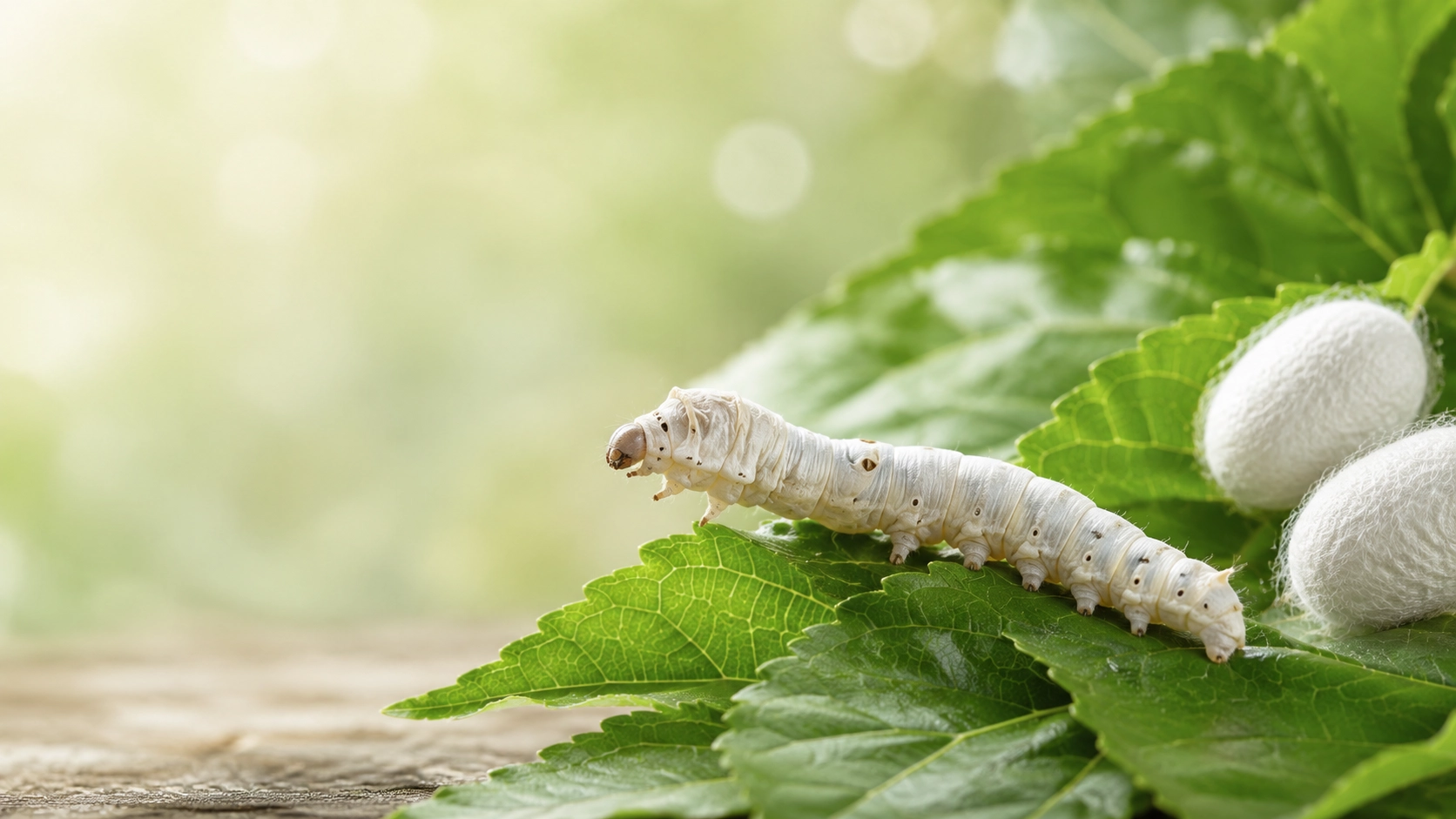
Once the larvae are feeding well, the rest of the life cycle follows a predictable schedule. After about four weeks of constant eating and four molts, they will spin a cocoon. Inside that cocoon, the larva transforms into a pupa, also called a chrysalis in some contexts. After two to three weeks, the adult moth emerges, mates, and lays eggs to start the cycle again.
For those interested in sericulture, the timing of the hatch is crucial. If you want to harvest silk thread, you must boil or dry the cocoons before the moth emerges, because the emerging moth breaks the continuous filament. Knowing when do silkworms hatch allows you to plan the entire rearing schedule, from egg incubation to cocoon harvest.
If you are raising silkworms as feed for pets or for educational purposes, you may not need the silk. In that case, you can let the moths emerge naturally and lay eggs for the next generation. The adult moth does not eat; it lives only to reproduce. After mating, the female lays several hundred eggs, and the cycle begins again.
Practical Tips for Beginners
If this is your first time with silkworm rearing, start with a small batch of 50 to 100 eggs. That is enough to learn without being overwhelmed. Keep a notebook and record the temperature, humidity, and hatch dates. Over time, you will develop a feel for what works in your specific climate.
One thing I learned the hard way: do not trust the calendar alone. Even if you think you know when the eggs should hatch, check them every morning and evening. The first sign is a tiny dark head poking out of the egg. Once you see that, the rest will follow within hours. Be ready with fresh mulberry leaves.
Mulberry trees are the only natural food for Bombyx mori. If you do not have access to a mulberry tree, you can buy silkworm feed, a special formulated chow made from mulberry leaf powder. It works well, though the larvae grow slightly slower than on fresh leaves. Many hobbyists use a combination: fresh leaves in the early instars, and feed later when the appetite becomes voracious.
Finally, remember that silkworms are fragile in the first instar. Handle them as little as possible. Use a soft brush or a feather to move them if necessary. Keep the enclosure clean and well-ventilated. With a little patience and attention to detail, you will have a healthy brood producing beautiful cocoons in about six weeks.